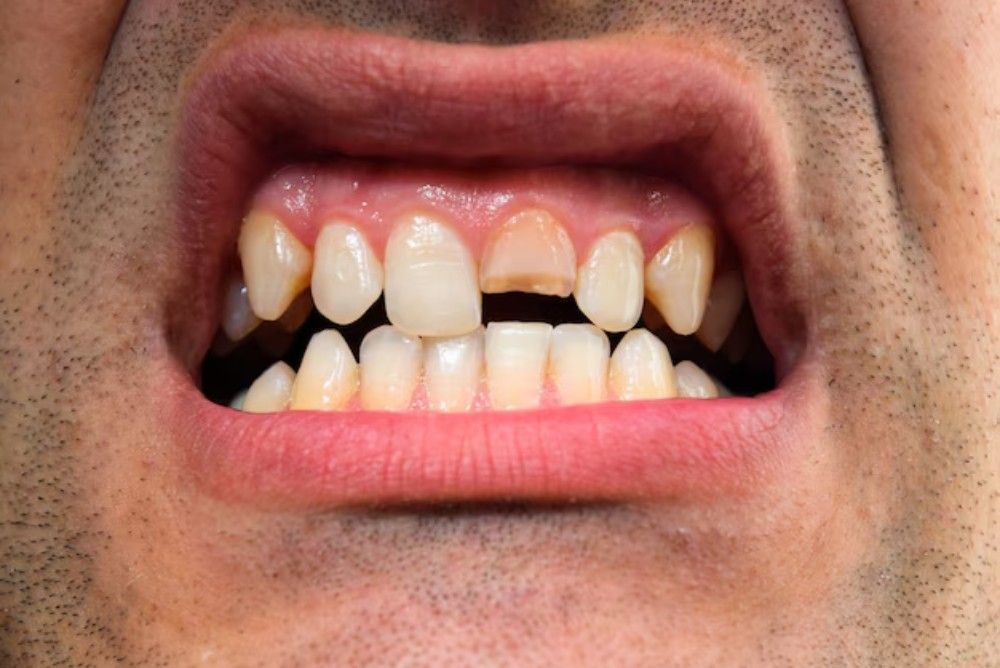
A dental injury can be a frightening experience, often happening when you least expect it.
Whether it is a sports injury, a trip and fall, or a sudden mishap during a meal, knowing exactly how to react in the first few minutes can make the difference between saving and losing a tooth.
Immediate action is the priority when dealing with dental trauma, as the window for successful re-implantation or repair is remarkably narrow.
What Are The First Steps For A Knocked-Out Tooth?
If a permanent tooth is completely displaced, time is your most critical factor. You must act quickly to find an emergency dentist to increase the chances of a successful re-implantation, ideally within thirty to sixty minutes.
First, locate the tooth and pick it up by the crown (the chewing surface), never the root. If it is dirty, rinse it gently with water, but do not scrub it or use soap.
Try to place the tooth back into its socket and hold it there with light pressure. If that isn’t possible, keep the tooth moist by placing it in a container of milk or tucked inside your cheek.
How Should You Manage Broken Tooth Care?
When a tooth is chipped or fractured, the level of urgency depends on the severity of the break. Effective broken tooth care starts with rinsing your mouth with warm salt water to clean the area and applying a cold compress to the outside of the cheek to reduce swelling.
If you can find the broken piece of the tooth, wrap it in wet gauze and bring it with you to your appointment.
A minor chip may only require a simple filling or bonding, but a deep fracture that exposes the pulp may require more extensive restorative work to prevent infection.
Why Is Immediate Professional Help Necessary?
Seeking help for a dental emergency is vital because internal damage isn’t always visible to the naked eye. Even if you aren’t in severe pain, a traumatic hit can damage the nerves or the jawbone.
A professional assessment will involve diagnostic imaging to check for root fractures or hidden infections.
Prompt intervention not only relieves pain but also prevents the need for more costly and invasive procedures, such as extractions or implants, further down the road.
How Do You Find An Emergency Dentist?
Knowing where to go before an accident happens is part of a good safety plan. If you are searching for an emergency dentist in Yellowknife, look for a practice that offers flexible hours and prioritizes urgent cases.
Most clinics have a protocol for handling trauma, ensuring that patients in pain are seen as quickly as possible.
Having the contact information for a local provider saved in your phone can save valuable time during a crisis, allowing you to focus on the immediate physical care required.
What Services Does A Local Dentist Provide?
A dentist in Yellowknife is equipped to handle a wide range of restorative needs following an injury.
From a composite bonding that repairs the chip to a custom crown that protects a fractured tooth, modern technology helps you repair teeth and achieve a durable and aesthetic look.
In cases where the tooth cannot be saved, your provider can discuss long-term replacement options like bridges or implants to ensure your smile remains functional and complete.
How Can You Prevent Future Dental Injuries?
While you cannot predict an accident, you can take steps to protect yourself.
If you or your children are active in sports, consulting a dentist near you for a custom-fitted mouthguard is one of the best investments you can make. Store-bought guards often don’t provide the same level of impact protection or comfort as a custom appliance.
Additionally, avoiding habits like chewing on ice or using your teeth as tools to open packaging can significantly reduce the risk of a sudden fracture.
Emergency Response Situation
| Condition | Immediate Action | Transport Method |
| Knocked-Out Tooth | Re-insert in socket or keep moist | Milk or Saliva |
| Broken/Chipped Tooth | Rinse mouth; find fragments | Wet Gauze |
| Severe Toothache | Floss to remove debris; rinse | N/A |
| Soft Tissue Cut | Apply pressure with clean cloth | N/A |
Restoring Your Peace of Mind
Handling a dental crisis requires a calm mind and swift action. By following the correct storage and cleaning steps, you give your tooth the best chance at a full recovery. Remember that your oral health is a priority, and professional help is the only way to ensure a lasting repair.
At Somba Ké Family Dental, we are here to support you when the unexpected happens. Our team is trained to handle urgent situations with compassion and clinical excellence.
We utilize advanced technology to provide quick relief and beautiful restorative results. If you are experiencing a dental crisis or need a post-injury checkup, contact our office today for immediate assistance.
FAQs
How long can a knocked-out tooth survive outside the mouth?
A tooth has the best chance of survival if it is replaced in the socket within 30 minutes. After an hour, the success rate for re-implantation drops significantly.
Is a cracked tooth always an emergency?
If the crack causes pain or sensitivity to temperature, it is an emergency that requires immediate attention. A minor, painless chip can usually wait for the next business day.
What if I don’t have milk to store a knocked-out tooth?
If milk is unavailable, use a tooth-preservation kit or have the patient spit into a cup to keep the tooth submerged in their own saliva.
Can a baby tooth be put back in?
No, knocked-out baby teeth are generally not re-implanted because doing so can damage the permanent tooth developing underneath the gums.